Your office near the Gate Building in DIFC or just off Sheikh Zayed Road needs security cameras. Walk into a supplier and you face a choice that sounds simple but genuinely isn’t: IP camera or analog camera? Pick wrong and you’re either overspending on features you’ll never use, or installing a system that fails when it matters most.
In this guide
- What’s the Real Difference Between IP and Analog?
- IP Camera vs Analog Camera: Side-by-Side Comparison
- How Does an IP Camera System Actually Work?
- What Are the Real Costs of IP vs Analog CCTV in Dubai?
- When Does Analog Still Make Sense?
- Common Mistakes Businesses Make When Buying CCTV
- When Should You DIY vs Call a Professional?
- Questions to Ask Any CCTV Installer Before You Commit
- Need CCTV Installation in DIFC? Let’s Talk
- FAQ
What’s the Real Difference Between IP and Analog?
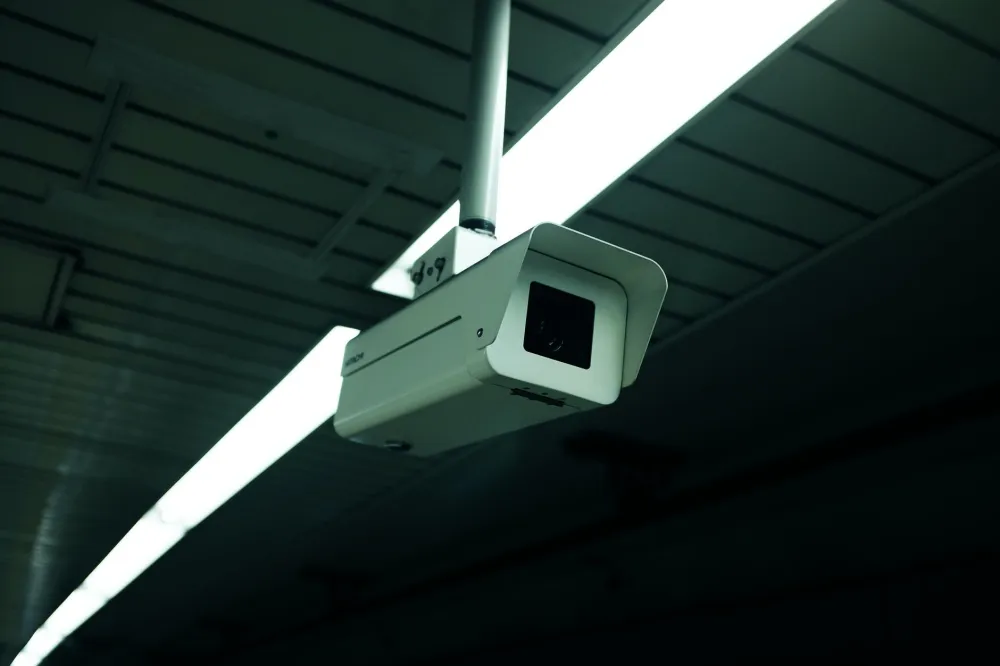
An IP camera converts video into data packets and sends them across a standard network, typically over Cat6 cabling or Wi-Fi, to a Network Video Recorder (NVR). An analog camera captures video as an electrical signal and sends it over coaxial cable to a Digital Video Recorder (DVR), where it’s stored.
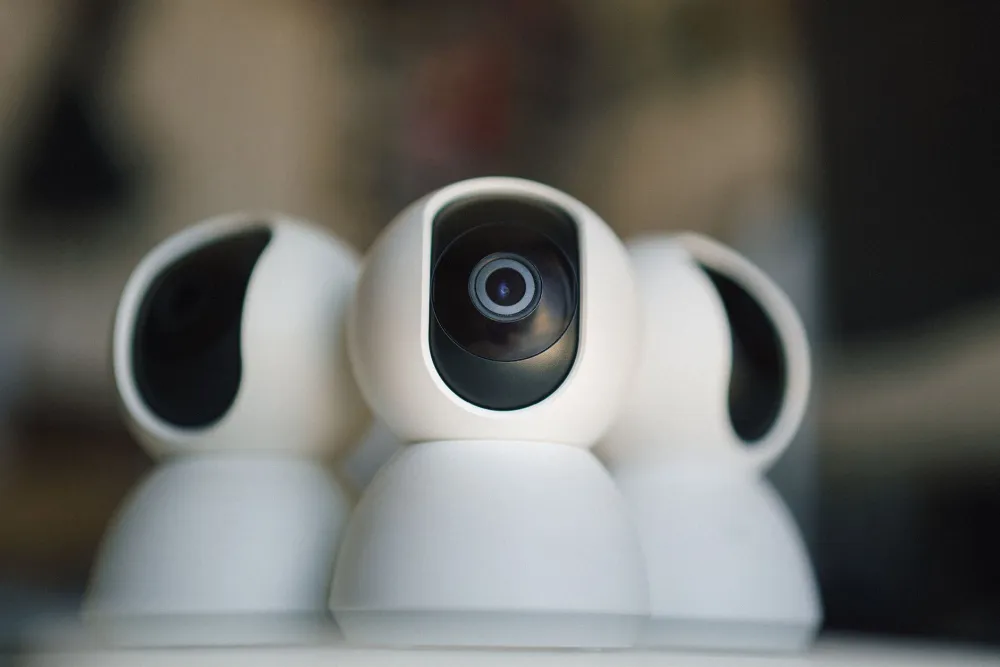
The practical upshot: IP cameras run over your existing office network, share a cable with your internet connection using Power over Ethernet (PoE), and stream footage directly to your phone or laptop from anywhere. Analog cameras need dedicated coaxial runs to every location and are generally limited to local viewing unless you add separate hardware.
Modern analog standards like HD-TVI, AHD, and HD-CVI have narrowed the resolution gap. You can find analog cameras at 2MP or 4MP today. But IP cameras at 4MP, 8MP (4K), or higher still deliver sharper images in poor lighting and come with features like on-camera motion analytics, audio, and wide dynamic range that most analog units can’t match at the same price.
IP Camera vs Analog Camera: Side-by-Side Comparison
Here’s what matters most to a Dubai office or SME owner when choosing between the two.
| Factor | IP Camera | Analog Camera |
|---|---|---|
| Image quality | Up to 4K; excellent detail | Typically 2-4MP; adequate |
| Cabling | Cat6 or Wi-Fi (PoE) | Coaxial cable |
| Recorder type | NVR | DVR |
| Remote viewing | Built-in via app or browser | Needs extra setup |
| Scalability | Easy: add cameras to switch | Limited by DVR ports |
| Upfront cost | Typically higher | Typically lower |
| Power | PoE switch or injector | Separate power adapters |
| Advanced features | Motion analytics, audio | Basic motion detection |
| Best for | Offices, retail, SMEs | Warehouses, budget setups |
Need CCTV Installation in DIFC?
We survey your office near the Gate Building, recommend the right cameras, and install everything neatly with no disruption to your team.
How Does an IP Camera System Actually Work?
Understanding the setup process helps you ask better questions before spending money. Here’s how a typical IP camera installation unfolds in a Dubai office.
A small to medium office typically takes one to two days for this process, depending on the number of cameras and cable complexity. A larger premises along Emirates Towers Boulevard or a multi-floor office off Sheikh Zayed Road may take longer.
What Are the Real Costs of IP vs Analog CCTV in Dubai?
Cost is usually the deciding factor. Both systems have three main cost components: cameras, recording hardware, and installation labour including cabling.
IP camera systems typically cost more per camera and need a PoE switch in addition to the NVR. But because they run on standard Cat6 cabling (which your office may already have partly in place), cabling costs can be lower than running new coaxial cable. The higher upfront spend usually pays back in image quality, remote access, and the ability to add cameras later without replacing the recorder.
Analog systems have a lower entry price for cameras and DVR. But if you ever want higher resolution or more cameras than the DVR supports, you typically need to replace the recorder and sometimes the cameras entirely. That hidden upgrade cost catches many business owners off guard.
A basic four-camera IP system for a small Dubai office typically starts around AED 1,500 to AED 3,500 all-in for hardware, though actual costs depend on camera resolution, cable distances, storage size, and whether the building requires specialist fixing or conduit. A comparable analog setup may be AED 800 to AED 2,000 for hardware. Always get a site visit and a written quote before committing.
Want an Honest CCTV Quote in DIFC?
We visit your office near Gate Avenue, count the camera points, measure the cable runs, and give you a clear written quote with no hidden extras.
When Does Analog Still Make Sense?
Analog isn’t obsolete. There are genuine situations where it’s the right choice, and being honest about this matters.
- Existing coaxial infrastructure: If your building already has coaxial cable runs in the ceiling from a previous system, upgrading to modern HD-TVI or AHD analog cameras can cost far less than re-cabling for IP.
- Very simple requirements: A small storage unit, a single-door retail kiosk, or a low-traffic area where you only need basic presence detection, not face recognition, may not justify IP resolution.
- Tight budget with no expansion plans: If you genuinely only ever need four cameras and will never add more, a basic DVR setup does the job.
For most offices, clinics, retail shops, law firms, and trading companies in DIFC, Business Bay, Downtown Dubai, and Trade Centre, the flexibility and image quality of IP cameras justifies the extra cost. Our professional CCTV and security systems service covers both technologies and recommends whichever suits your exact situation, not just the pricier option.
Common Mistakes Businesses Make When Buying CCTV
After setting up security systems across Dubai offices, these mistakes come up most often.
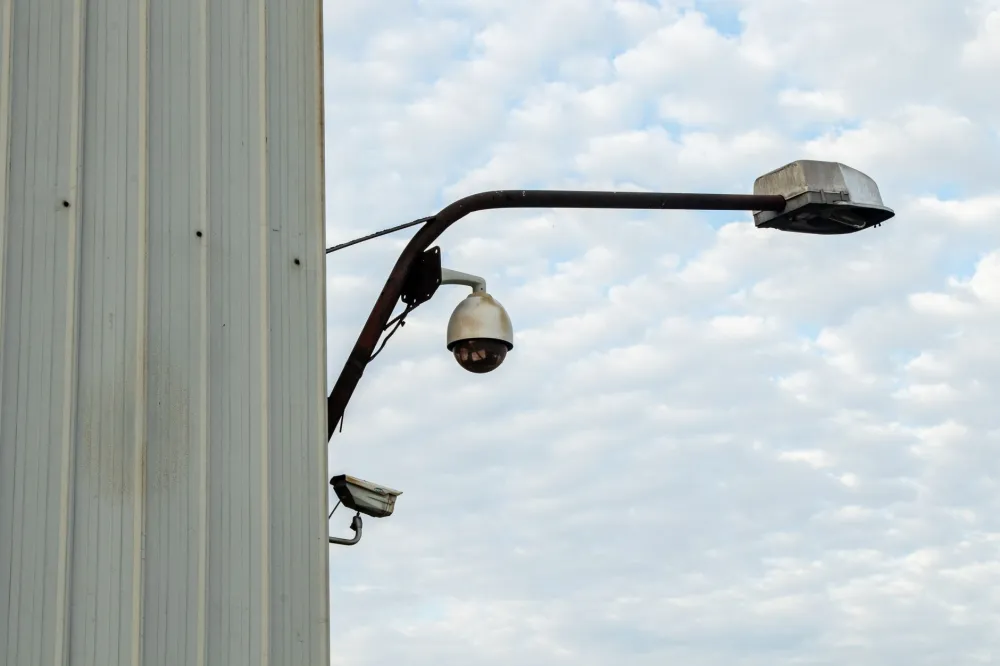
- Buying cameras before measuring cable runs: A camera needing a 40-metre cable run in a false ceiling may double your installation cost. Always survey first.
- Underestimating storage: 30 days of footage from eight 4MP cameras needs considerably more hard drive space than the basic 1TB drive many DVR/NVR kits ship with. Calculate storage before purchase.
- Ignoring night vision range: A camera rated for 20-metre night vision placed in a 30-metre car park will deliver useless dark footage.
- No remote access setup: Buying an IP system and not configuring remote viewing is like buying a smartphone and never setting up email.
- Mixing brands carelessly: Cameras and NVRs from different brands sometimes don’t share full feature sets even when they claim compatibility. Stick to one ecosystem or verify with your installer.
When Should You DIY vs Call a Professional?
This deserves a straight answer. For a home with one or two external cameras and an app-based cloud recorder, a confident DIYer can self-install a consumer-grade system. Plug in a PoE camera, connect it to a home router, done.
For a business premises, the calculation changes fast. Professional installation is the sensible choice for any commercial setup.
- Liability and footage integrity: If an incident happens and your footage is useless because a camera was angled incorrectly or the hard drive was full, there’s no IT provider to share that problem if you DIY-ed it.
- Building compliance: Many DIFC and free zone buildings require cabling work to follow specific standards. An unapproved ceiling cut or improperly fire-rated conduit can cause issues with building management.
- Network integration: An IP system sharing your office network needs correct VLAN (Virtual Local Area Network) configuration so camera traffic doesn’t slow down your team’s computers. This requires network knowledge beyond basic setup.
- Warranty and support: A professionally installed system backed by an IT AMC (Annual Maintenance Contract) gives you a single point of contact when something stops working, which it will eventually with any hardware.
Short version: DIY works fine for home use. For any business where security footage could matter legally, operationally, or for insurance purposes, professional installation is simply the right choice. It’s not about the technology being difficult; it’s about the stakes.
Questions to Ask Any CCTV Installer Before You Commit
Whether you contact us or someone else, ask these questions before signing anything.
- Do you do a site survey first? Any professional installer should survey before quoting.
- What camera resolution do you recommend for my specific areas? Reception, car park, server room, and corridor all have different needs.
- How much storage do you recommend, and for how many days of retention?
- Will the system integrate with my existing office network? And will it need its own VLAN?
- What happens if a camera or the recorder fails after installation? Is there a warranty and a support agreement?
- Can I view footage remotely on my phone? Ask them to show you during handover.
For more guidance on choosing the right IT or security provider, our article on 10 questions to ask before hiring an IT company covers the broader picture.
Need CCTV Installation in DIFC? Let’s Talk
Freelance IT Services Dubai provides on-site CCTV and security camera installation for offices, retail spaces, clinics, and SMEs across DIFC and the surrounding area, including the Financial Centre Metro Station precinct, Gate Avenue, and offices along Sheikh Zayed Road. We work with both IP and analog systems, recommend based on your actual requirements and budget, and handle everything from the initial site survey through to remote-viewing setup and staff handover.
The same service is available across Downtown Dubai, Business Bay, Trade Centre, Oud Metha, Bur Dubai, Hor Al Anz, Al Barsha, and throughout Dubai. Wherever your office is, we can be on-site quickly.
If you’re comparing an IP camera vs analog camera decision for your business right now and want a straight answer from someone who’s done this hundreds of times in Dubai offices, reach out. We’re happy to give you an honest recommendation before you spend anything.
Book Your CCTV Site Visit in DIFC Today
Call or WhatsApp us to book your free site survey. We come to your office near the Financial Centre Metro Station, assess your needs, and give you a clear written quote.
FAQ
Keep exploring
Related services
More CCTV, Access Control and Firewall in Dubai
Onsite help across Dubai for the problems that usually come next. Pick a service to see what is included.
 SecurityFortinet Firewall in Arabian RanchesNeed a secure office network near The Ranches Souk? We install Fortinet Firewall in Arabian Ranches.View service
  SecurityFortinet Firewall in MirdifProtect your Mirdif business from ransomware and phishing with our Fortinet Firewall in Mirdif.View service
  SecurityFortinet Firewall in Dubai SouthRansomware and phishing are rising across Dubai South SMEs. We install Fortinet FortiGate firewalls onsite near Expo City.View service
  SecurityFortinet Firewall in Hor Al AnzProtect your Hor Al Anz office from ransomware and phishing with a Fortinet firewall, installed onsite near Abu Hail Metro Station.View service
  Security7 Signs Your Business Network Has Been HackedSpot the quiet signs your business network has been hacked before data is lost. Onsite checks for offices near The Ranches Souk.View service
  SecurityFortinet Firewall in Al QuozRansomware and phishing hit Al Quoz SMEs hard. We install Fortinet FortiGate firewalls onsite near Alserkal Avenue.View service
 Swipe for more services
We cover every part of Dubai. See all areas we serve